Training With Your Hormones, Not Against Them
Your cycle is not a problem to manage — it's information to train with. Here's the practical version.
For most of fitness history, women have been handed programs designed for men and told to push through. We can do better. Once you understand what's happening hormonally across the month, you can train smarter, recover faster and stop blaming yourself for completely normal fluctuations.
The two halves
The menstrual cycle has two main phases: the follicular phase (roughly day 1 through ovulation) and the luteal phase (ovulation through your next period). Estrogen dominates the first half, progesterone dominates the second.
In the follicular phase, most women feel strong, energetic and recover quickly. This is your window for heavier lifting, intense intervals, and pushing personal records. In the luteal phase, body temperature rises, sleep can suffer, and recovery takes longer. Strength is still there — but it costs more.
A practical month
Week 1 (period): listen to your body. Light lifts and walks on heavy days. Resume normal training when you feel ready. Week 2 (follicular): hit it hard. New rep PRs, harder intervals, fun new sessions. Week 3 (early luteal): maintain. Solid heavy work, no need to chase records. Week 4 (late luteal): pull back volume by 20-30%. Prioritize sleep, salt, and slow walks. This is not weakness — it's intelligent programming.
Pregnancy and postpartum
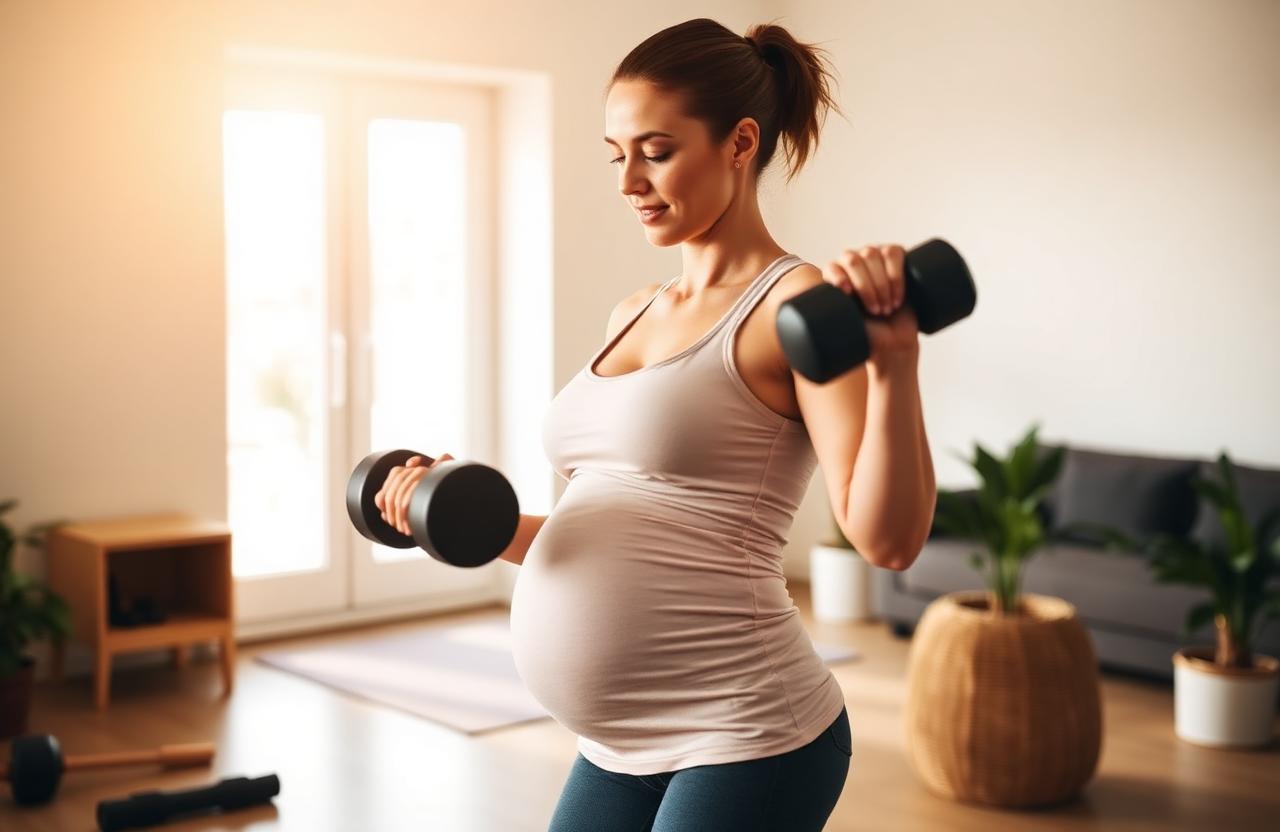
If you're pregnant, training is one of the best things you can do for yourself and the baby — with the right modifications and your provider's blessing. Postpartum, give yourself a full year to rebuild. Start with breath and core reconnection, progress to bodyweight, then gradually reintroduce load. Rushing back is the single most common mistake I see, and it costs women years.
Perimenopause and beyond
Once cycles become irregular, strength training becomes even more important — not less. Heavy lifting, adequate protein and protected sleep are the three levers that preserve muscle, bone density and metabolism through the menopause transition. This is when the women who built a foundation in their 30s thank themselves loudest.